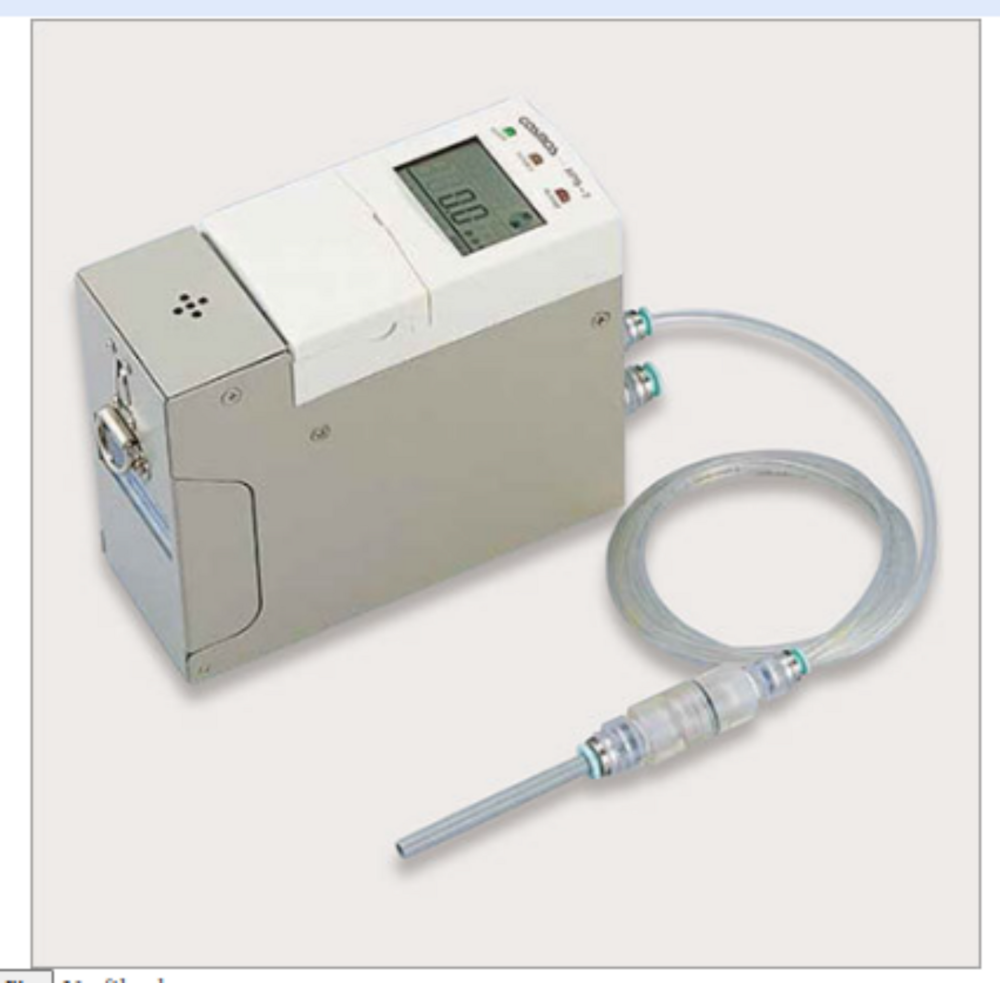
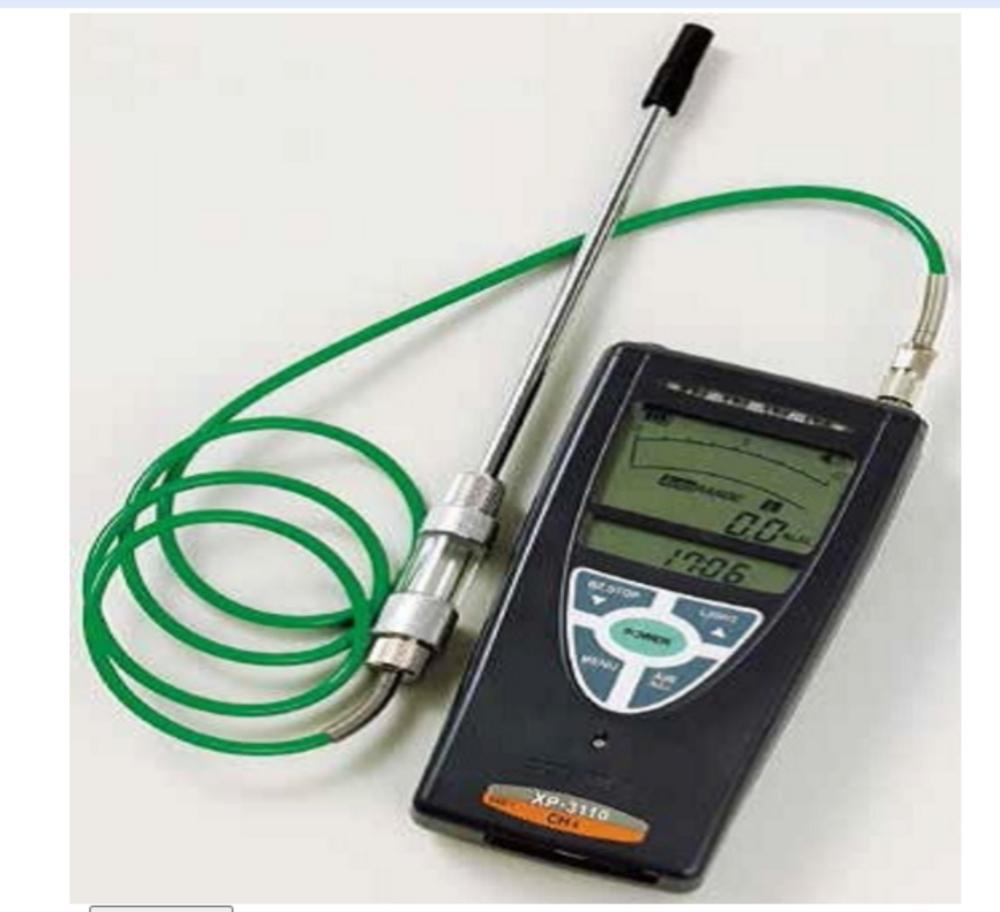
Product Description
Features
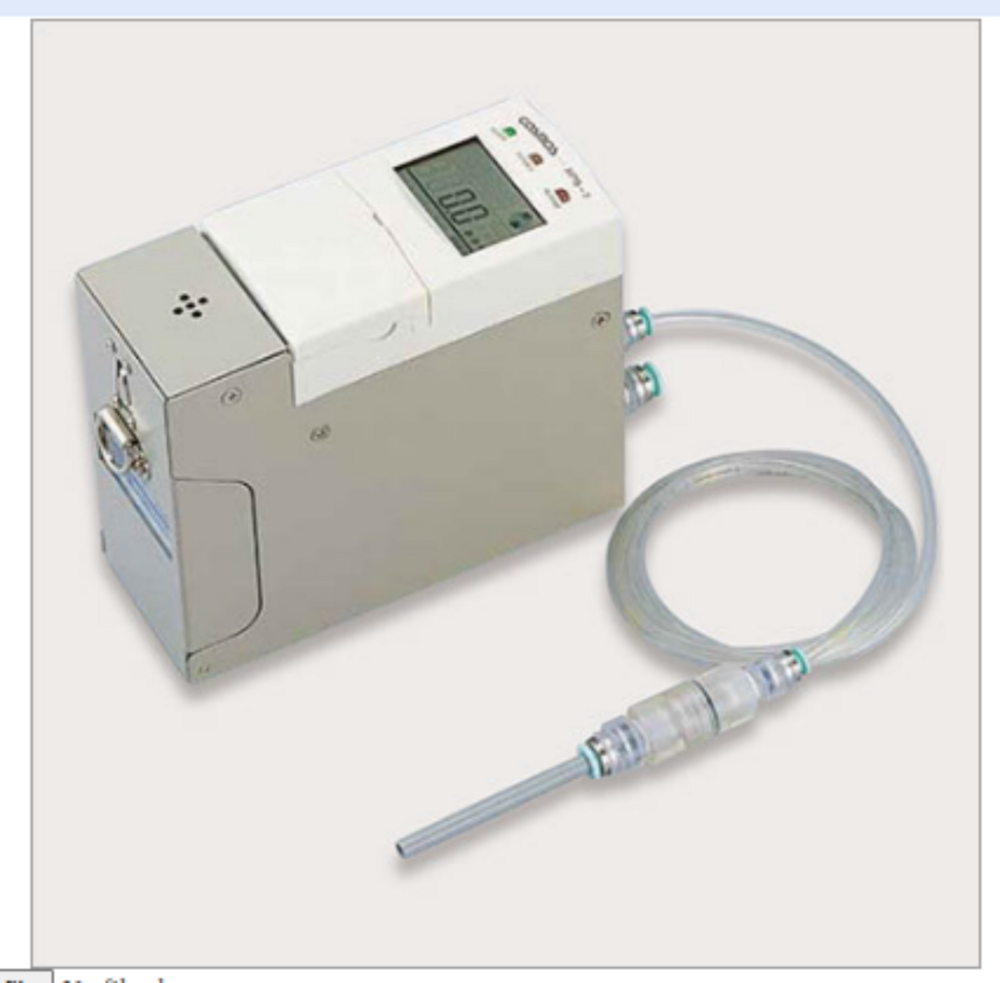
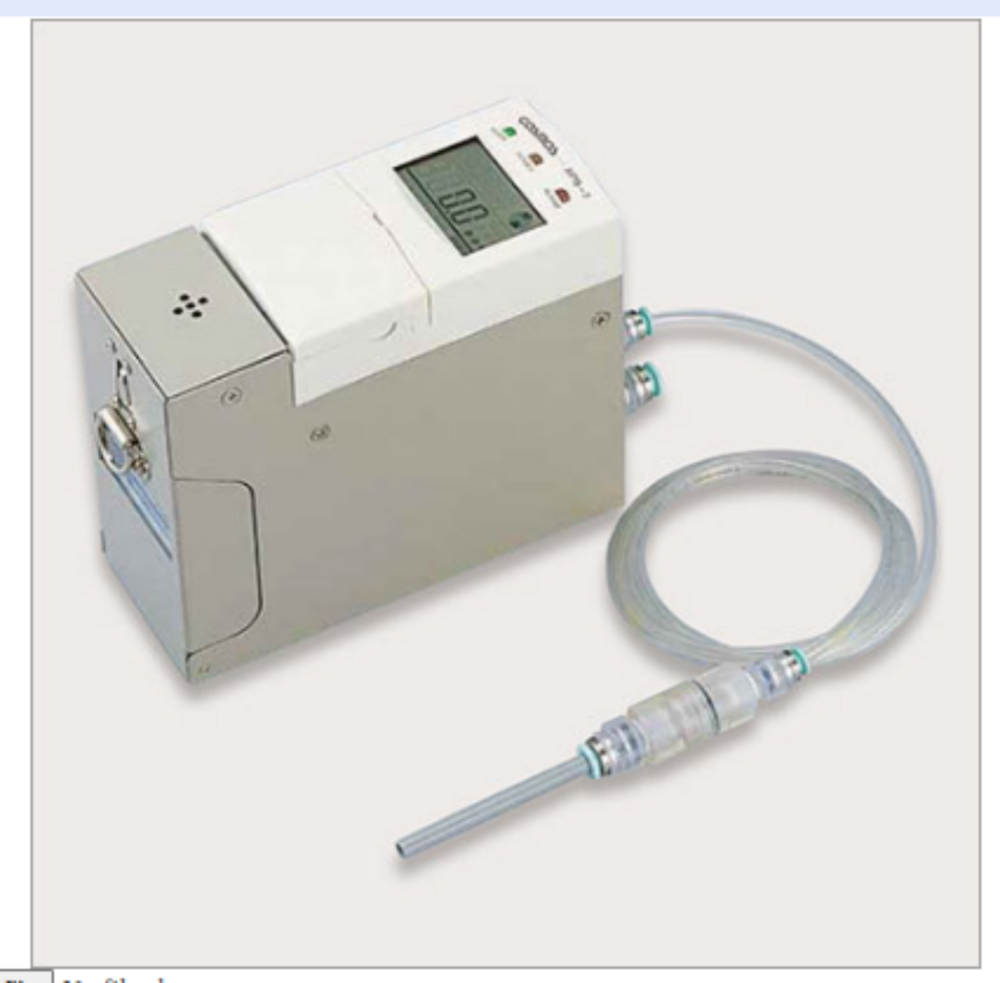
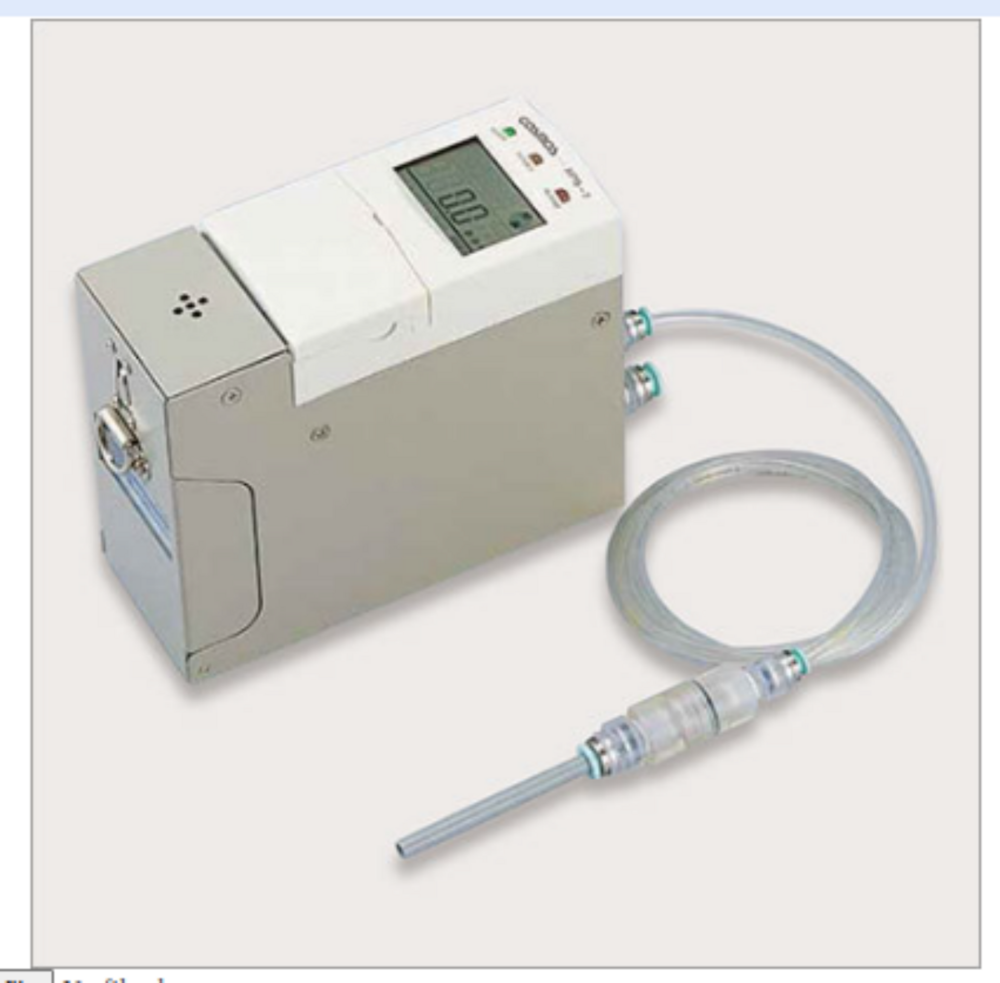
- A single XPS-7 can be used for a variety of semiconductor gases, simply by changing the sensor unit.
- Cassette-type sensor units eliminate calibration.
Specifications
- Under identical measuring conditions.
- Battery life may vary with ambient conditions, conditions of use, storage period, battery manufactures, etc.
Technical Details 
Early Warning for Gas LeaksSemiconductor Gas Detectors are engineered to provide rapid detection of potentially dangerous gas concentrations, helping prevent accidents and ensuring a safer environment. This capability is particularly essential for workplaces dealing with volatile gases or confined spaces where quick response times are crucial.
Flexible Applications Across IndustriesThese gas detectors are essential tools for sectors such as manufacturing, laboratories, and chemical plants. Their flexible application ensures that operators remain informed about atmospheric conditions, minimizing risks and supporting compliance with safety regulations across various industries.
FAQs of Semi Conductor Gas Detector:
Q: How does a Semiconductor Gas Detector function?
A: A Semiconductor Gas Detector employs a specialized sensor that reacts with gas molecules, producing an electrical signal indicative of gas concentration. This enables precise and real-time monitoring of hazardous gases in the environment.
Q: What are the key advantages of using a Semiconductor Gas Detector?
A: This type of detector offers high sensitivity, quick response times, and reliability in detecting a range of gases. It helps enhance workplace safety, reduce the risk of incidents, and simplify compliance with safety regulations.
Q: Where can a Semiconductor Gas Detector be installed?
A: Semiconductor Gas Detectors are suitable for installation in industrial, commercial, and laboratory settingsanywhere hazardous gases might be present and fast detection is crucial for safety.
Q: When should these detectors be inspected or maintained?
A: It is recommended to perform regular calibration and functional testing based on the manufacturers guidance, typically at least every six months, to ensure consistent and accurate performance.
Q: What is the typical process for using a Semiconductor Gas Detector?
A: The device should be installed in an area of potential gas exposure. After powering on, it continuously monitors the air for target gases and triggers an alert if dangerous levels are detected, allowing for timely intervention.
Q: What benefits do businesses gain from deploying Semiconductor Gas Detectors?
A: By using these detectors, businesses can protect personnel, prevent property damage, and minimize downtime caused by gas leaks. This results in a safer work environment and potential savings on insurance and regulatory fines.